Your Tan Is Aging You
BAD NEWS: YOUR TAN IS AGING YOU
THE HEALTHY TAN MYTH
If you’ve proudly sported tan lines at the end of a vacation, weekend at the lake, or Summer vacation, you aren’t alone.
There are positive effects to spending time in the sun. Sunlight provides us with natural vitamin D — which can stabilize moods, boost bone strength, and even help prevent colon and ovarian cancers.
Sunlight also triggers the brain to increase the release of melatonin which contributes to more restful sleep.
As we learn more about the care and keeping of our bodies for the 8+ decades we hope to live on this earth, the benefits of the sun exposure must be weighed against the risks.

TANNING HISTORY
Whether you live in a coastal or warm climate or simply live for those precious Summer months in the North, sun-darkened skin is often glorified as healthy.
Advertising and influencers conspire to present tanned skin as a requisite for swimwear, athletic wear, and fun in the sun.
American and Western European cultures did not always feel this way.
Sun-darkened skin was once considered a disfigurement. It was a sign of lowly, working class people. The term “red-neck” was a classist insult to people who earned their living as outdoor laborers, literally displaying reddened skin on their necks from long exposure to UV rays.
The wealthy worked indoors and worked to maintain their fair complexion with shade from parasols and gloves when enjoying the Outdoors. Some even used cosmetics with mercury or lead to whiten their skin. (Skin “whitening” is still common in Asian cultures and the idea that lighter skin is more desirable remains a harmful belief among many dark skinned populations.)
During the industrial age, more working class people took jobs in factories or mines which kept them indoors from dawn to dusk. Time in the sun became associated with the more leisurely lifestyle of the affluent.
A series of scientific discoveries reinforced changing attitudes toward the sun. In 1890, Theodore Palm discovered the benefits of sunlight on bone development. Niels Finsen was bestowed a Nobel prize for use of phototherapy to treat skin ulcers.
Then in the 1920’s, iconic designer Coco Chanel was photographed with sun-darkened skin and “suntanning” became an international pastime.
WHAT EVEN IS A SUNTAN?
There’s no sugar-coating it. The rays of the sun are radiation.
Despite the current cultural association of sun-tanned skin with beauty and health, intentionally changing your skin hue with sun exposure is, in fact, welcoming radiation and all the damage it inflicts.
The sun emits ultraviolet A and B (UVA and UVB) rays. UVA radiation penetrates deeper and harms the DNA of the dermis layer of skin. UVB affects the epidermis layer of the skin and is responsible for most sunburns.
The changing color of your skin after sun exposure is due to radiation burn. Depending on the melanin in your skin, you may experience severe reddening, rash, and blisters, or you may develop a temporary golden or browned effect like a chicken in a roasting pan.
The activation of melanin, whether temporary or over time, does not protect you from ultraviolet radiation damage. In fact, for every sunburn (UVB exposure) you’ve had in your life, you’ve received approximately 80% MORE UVA exposure (the DNA-damaging kind).
HOW TANNING AGES YOUR SKIN
Both UVA and UVB have adverse effects on the health of skin regardless of your natural pigmentation.
UV radiation damages collagen production and reduces skin elasticity, causing skin to age prematurely and to form wrinkles. In fact, visible aging of the skin can be directly correlated to the amount of time they spent unprotected in the sun.
That damage shows up as the beauty industries #1 hits: dry skin, skin dullness, blotchy skin and discoloration, enlarged pores, hyperpigmentation or liver spots [link to #1 Way to Prevent Brown Spots], fine lines, and deep wrinkles.
So, yes… Your tan IS aging you.

SUNTANNING AND CANCER
But even worse than premature aging, sun overexposure is the predominant cause of skin cancer.
The same DNA damage that causes your skin to darken also creates opportunities for cellular mutations, in other words — cancer.
Skin cancer occurrence has increased exponentially since tanning became mainstream in Western cultures. From 1994 to 2014 alone, cases of non-melanoma skin cancers increased by 77%. Melanoma is the deadliest form of skin cancer, killing roughly 8% of those diagnosed.
If you notice any new or changing spots on your skin, please see your dermatologist immediately. Here’s what to look for [link to ABCDE of Skin Cancer].

SKIP THE TAN, KEEP THE FUN
Avoiding the sun entirely is neither realistic, nor appealing. Many of us live our best lives outdoors. We play, entertain, and socialize outside at beaches, lakes, and pools, in backyards and parks, and dine on bar-b-ques, al fresco meals, and happy hours on the patio. We exercise in the sun — from walks to races to tennis and golf. We cheer for our favorite teams in outdoor stadiums — from the Major League to Little League, and enjoy live music in arenas and band shells.
Hiding indoors isn’t a healthy option either. Vitamin D deficiency is a global issue. [Read more - Sunshine & Happiness] Sunlight isn’t something to be avoided but rather monitored.
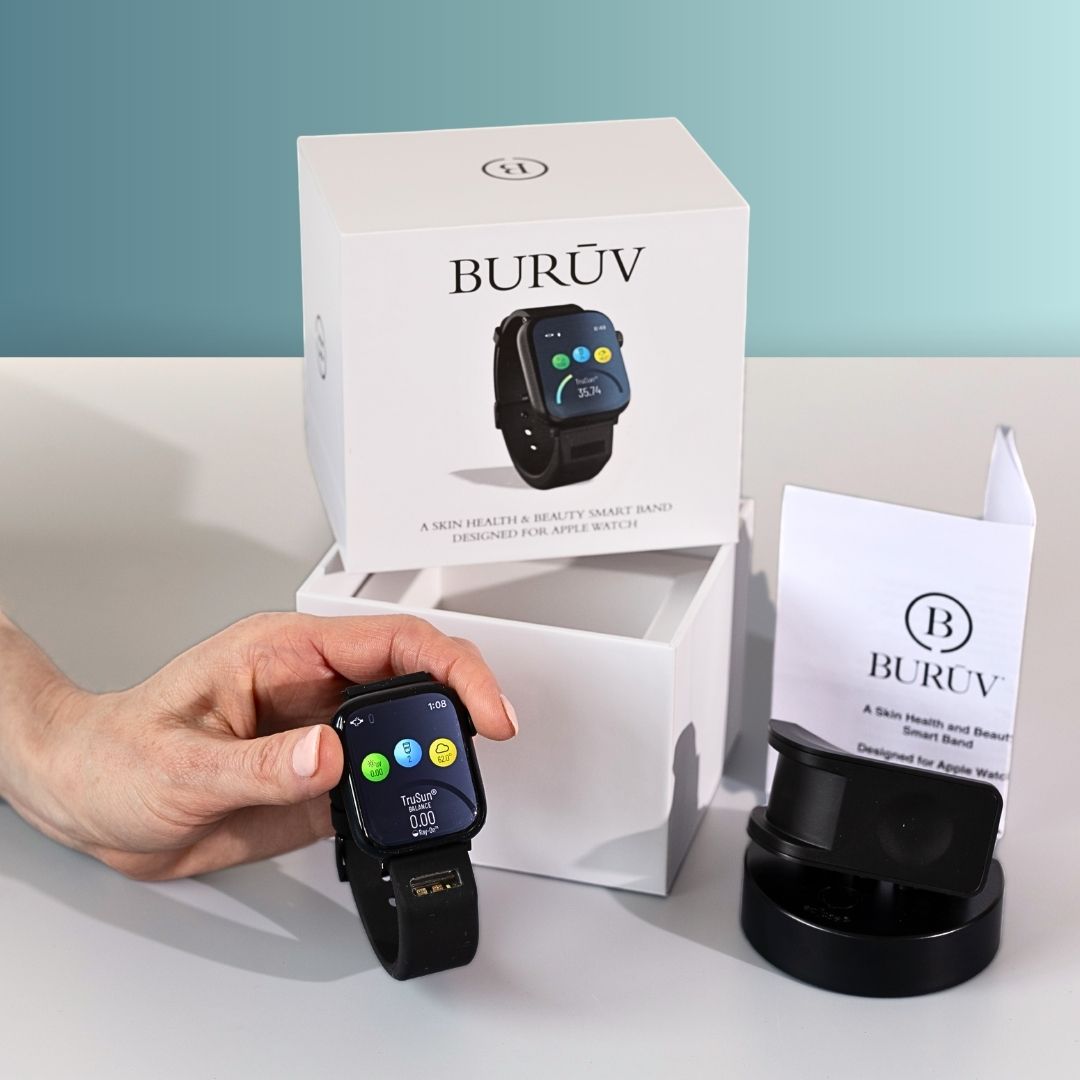
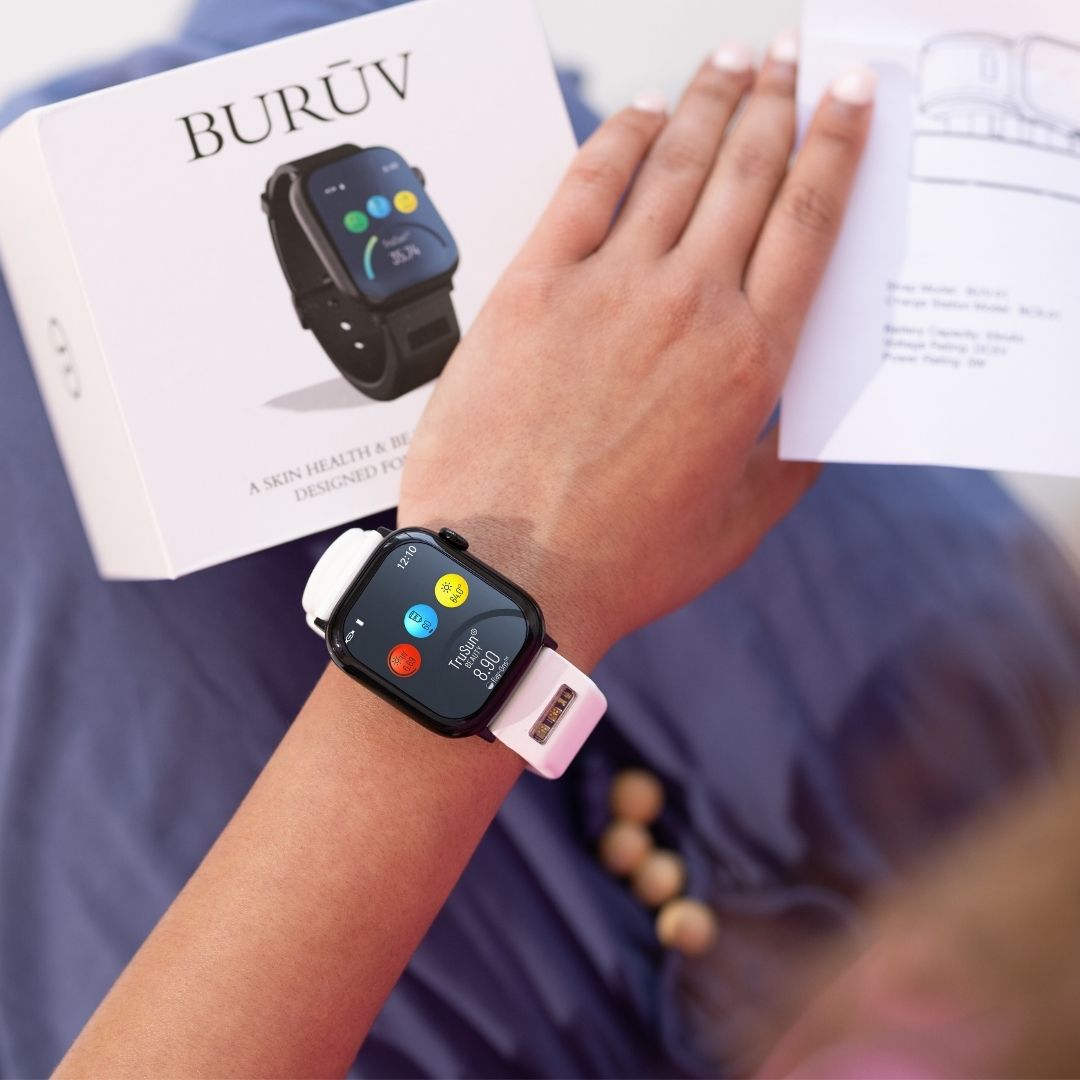
The best evidence confirms the importance of limiting the amount of sun exposure we receive. BURŪV was invented as a practical tool to give real-time feedback on your cumulative UV exposure and to prompt action to stop the sun from killing your looks (or worse)!
BURŪV uses your unique skin type to gauge your actual vulnerability based on your real life activities. Through increased awareness of your actual UV exposure, moderation is possible.
If you LUV Life Outdoors, you owe it to yourself to add BURŪV to your beauty routine.
Dr. Matthys, Founder of the BURŪV smartband, has a comprehensive ebook available for download here [link eBook] as well as these quick tips to ensure Better Skin for a Better Life®:
-
Use SPF 30+ Sunscreen every day
-
Avoid peak UV days/ hours (10a.m. – 2 p.m.)
-
SAY NO to Tanning Beds and Tanning or Baby Oil
-
Wear barrier UV Protection (hats, sleeves, rashguards, sunglasses, etc.)