Sunshine and Happiness
THE SUNSHINE & HAPPINESS CONNECTION
SOAK UP THE VITAMIN D
If you live in the Northern Hemisphere, there’s a 50% chance you’re deficient in vitamin D.
Why does that matter? Vitamin D plays an important role in how our bodies build and maintain bones. It has also been linked to muscle weakness, fatigue, and depression.
Our bodies actually need sunlight to produce vitamin D. The joy you feel when the sun shines on your face? That’s real. It’s chemical.
But… too much of a good thing is definitely NOT a good thing.

HOW MUCH SUNLIGHT DO WE NEED?
There’s a popular meme on social media that likes humans to houseplants with more complicated emotions. It’s funny and at least partially true — we do need water and sunlight to survive. The truth is a little more complicated.
The National Institute of Health states that we need 5 to 30 minutes of sun exposure a day to effectively make vitamin D. Other sources will lower this to 8–10 minutes per day.
In reality, it isn't uncommon to need a vitamin D supplement, especially in Winter months. Consider having your vitamin D levels checked and discussing the best next steps with your doctor to optimize healthy levels of vitamin D production.
DOES EVERYONE NEED THE SAME AMOUNT OF SUN?
The time recommendations above are related to a UV Index of 3 or more. Where you live geographically and what time of year it is affect the UV Index, or how strong the sun’s rays are. During Winter months, this index is much lower. The greater the distance from the equator, the lower the index is likely to be.
Other factors like skin and hair color can increase or decrease the amount of time you may need to soak up enough sunshine for sufficient vitamin D production. For example, heavily melanated skin absorbs less UVB, so people with darker skin tones may need more time in the sun. Redheads are more efficient at vitamin D production and therefore require less.
Sunlight plays an additional role in mood regulation and sleep rhythms. The amount needed for vitamin D is enough for most people to maintain healthy hormone levels of melatonin and serotonin. For people who experience depression, especially Seasonal Affective Disorder (SAD), light therapy can be helpful. Using a bright (10,000 lux), white (not blue) light that does not emit UV can supplement natural sunlight during darker months or poor weather conditions.
HOW MUCH SUN IS TOO MUCH SUN?
Sunshine isn’t all, well… sunshine and daisies. You have to know when to say "when."
The sun’s ultraviolet rays, aka UV radiation, wreck havoc on your skin beauty and health. The anti-aging industry would LOVE you to mistake too much sun exposure for healthy vitamin D support because it rakes in $1B+ annually when you try to undo the damage of too much sun exposure.
Don’t buy into that false narrative; know when you've had enough sun time.

MEASURING YOUR SUN EXPOSURE
One of the most common “miSUNderstandings” about sun exposure is how much we actually get in normal, everyday living. The amount of sunlight you need for healthy vitamin D levels doesn’t require you to actively sunbathe or visit a tanning booth.
For most of us, “second-hand sun,” aka the UV exposure that happens walking from building to building or house to bus or through the windshield of our car, provides adequate sunlight for vitamin D production.
Even if you live in low-light areas during Winter months, a few minutes during midday is often enough to maintain your health. In this rare circumstance, a vitamin D supplement might be helpful.
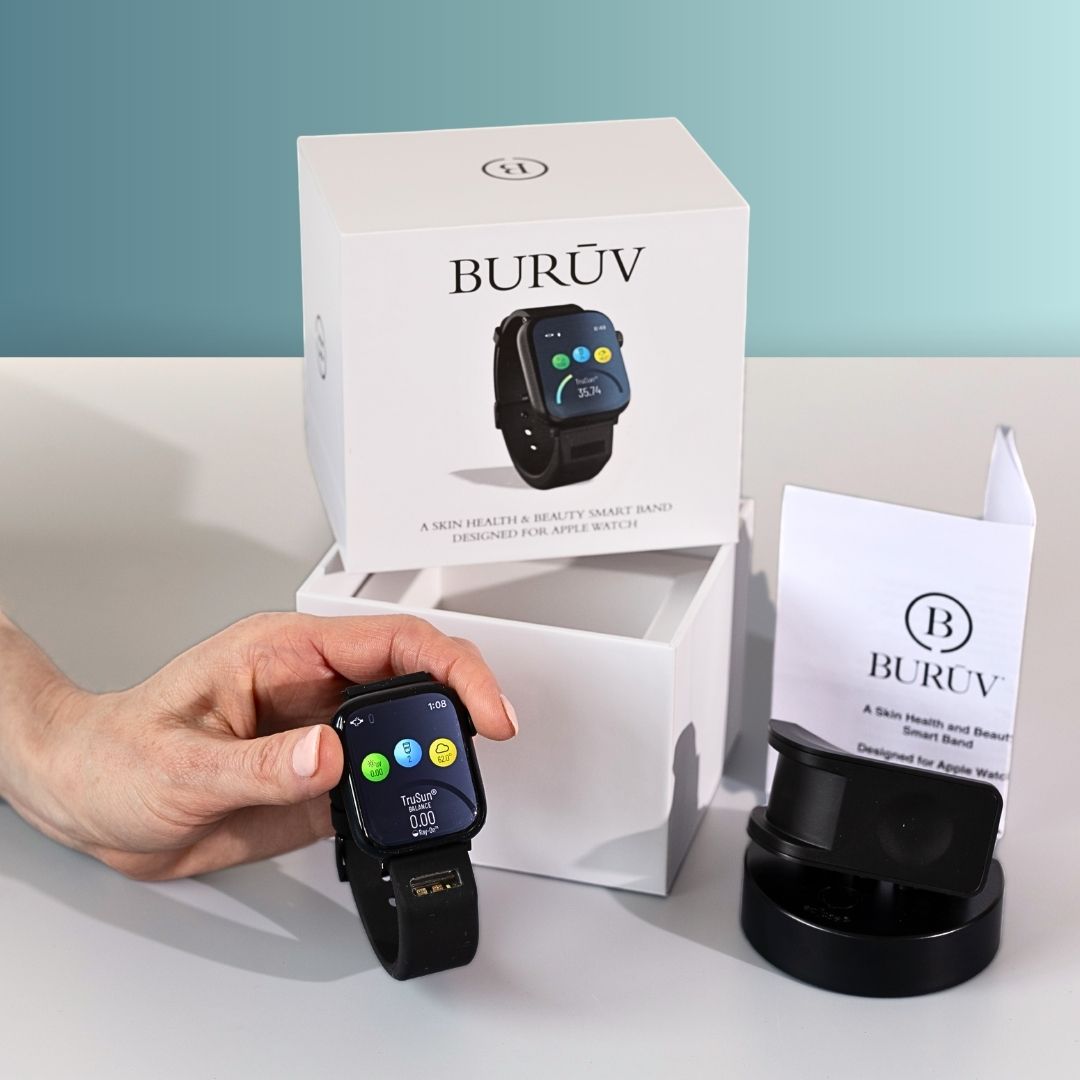
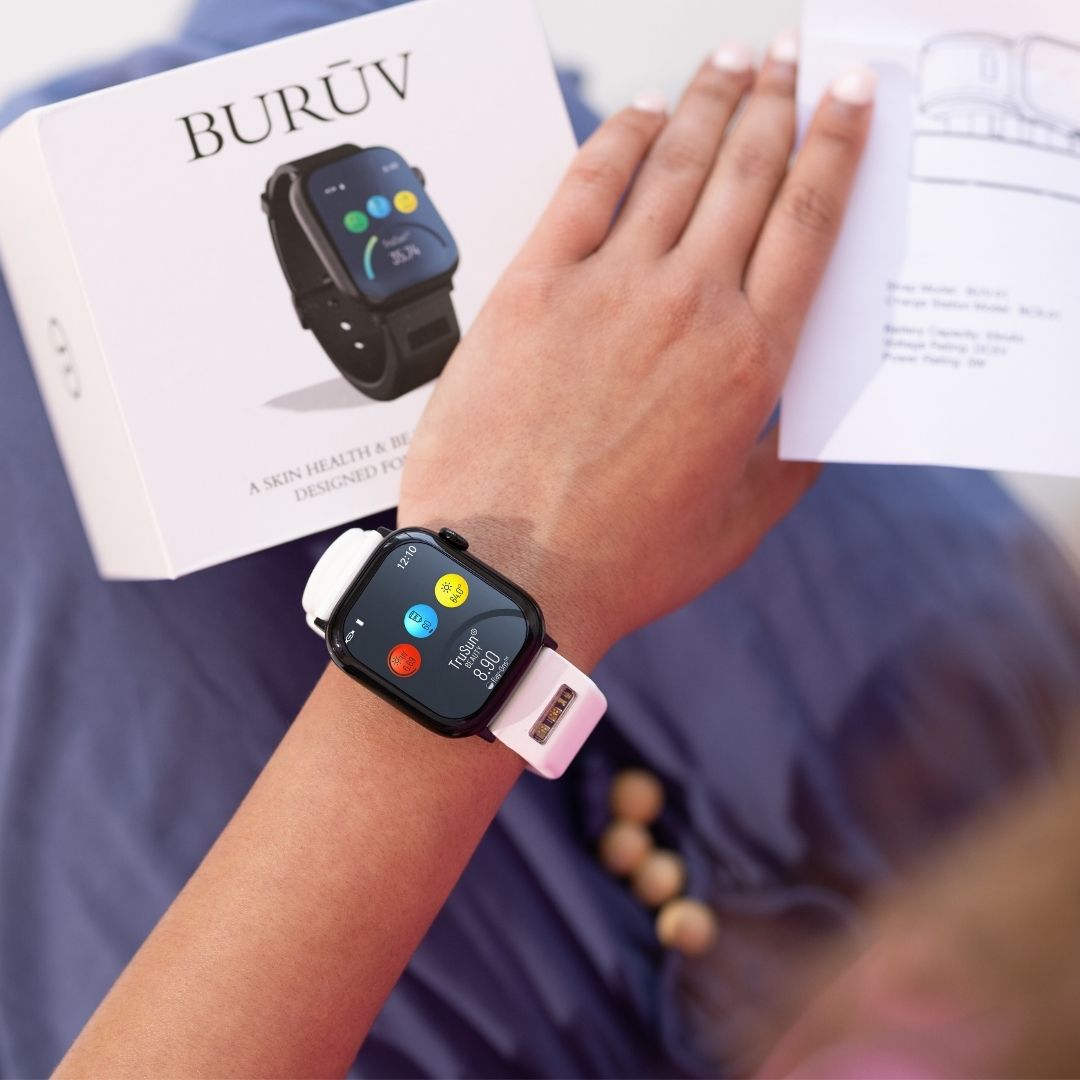
One of the most effective ways to measure cumulative UV exposure throughout the day is by adding the BURŪV band to your beauty routine. BURŪV measures the UV you’re experiencing by using patented technology to account for real-time sun exposure and real-world sunscreen application.
BETTER SKIN FOR A BETTER LIFE
When it comes to happiness, we’re firmly in the “more is more” camp! Sunshine and happiness, however, are not synonymous no matter how good that first, sunny day of Spring feels.
More sunlight is not always what the doctor ordered, especially if that doctor is a dermatologist.
The same is true for vitamin D production. You can’t “bank” extra vitamin D for a rainy day, unfortunately. Once you hit your sunlight requirement, more sun doesn’t help, but it can certainly harm.

PREVENTING TOO MUCH SUN
The BURŪV band for the Apple Watch monitors the sun’s UV rays, collects the data, and translates your exposure with alerts to prevent you from over exposure and sun damage. With that knowledge, you can engage in smarter sun habits to improve your skin's health and beauty.
What BURŪV does NOT do, is ruin a good time. BURŪV inventor, Dr. Brian Matthys, wants patients to LUV LIFE OUTDOORS™ so much, he trademarked the phrase!
Instead of cutting your fun-in-the-sun-time short, BURUV provides peace of mind for your time outdoors, especially if you’re concerned about your skin’s appearance.
UV rays may help with hormones, happiness, and vitamin D, but they are also the top cause of skin cancer and aging skin. In fact, 90% of the skin changes we associate with aging are actually caused by the sun.
Our skin is our largest organ; BURŪV helps you protect it with personalized alerts based on your individual skin type. That’s enough to put a smile on your face, isn’t it?